Night shift workers play a vital role in many sectors, from healthcare to hospitality. But when it comes to fire safety, they’re often overlooked. Fires don’t follow a 9-to-5 schedule, which means your night team must be just as prepared as your daytime staff, if not more.
So how often should night staff receive fire training? And do they need specific courses like extinguisher training?
Let’s break down what employers need to know.
Why fire training matters for night workers
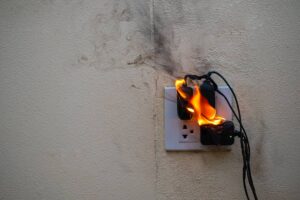
Fires can be especially dangerous at night. Fewer staff on-site, slower response times, and reduced supervision all increase risk. Night staff may also be responsible for locking up, operating equipment, or handling emergency callouts meaning they’re more likely to be alone when something goes wrong.
Proper training ensures your night team:
- Knows how to raise the alarm
- Understands evacuation procedures
- Can use a fire extinguisher safely
- Responds confidently under pressure
- Stays compliant with UK fire safety regulations
Neglecting fire training for night staff isn’t just a risk — it can also lead to legal consequences.
How often do night staff require fire training?
In the UK, fire safety legislation applies equally to all employees, regardless of shift time. The Regulatory Reform (Fire Safety) Order 2005 makes it clear: employers must provide adequate fire safety instruction to staff and refresh it regularly.
While there is no strict legal timetable, most fire safety professionals recommend:
- Initial training: as soon as employment begins or role changes
- Refresher training: annually for all staff, including night workers
- More frequent training: for high-risk environments or where there have been staff changes, building updates or fire drills showing poor response
For night staff, refresher training should be tailored to their routines. Consider offering sessions at night or during their shift handover to ensure full engagement.
Do night staff need extinguisher training courses?
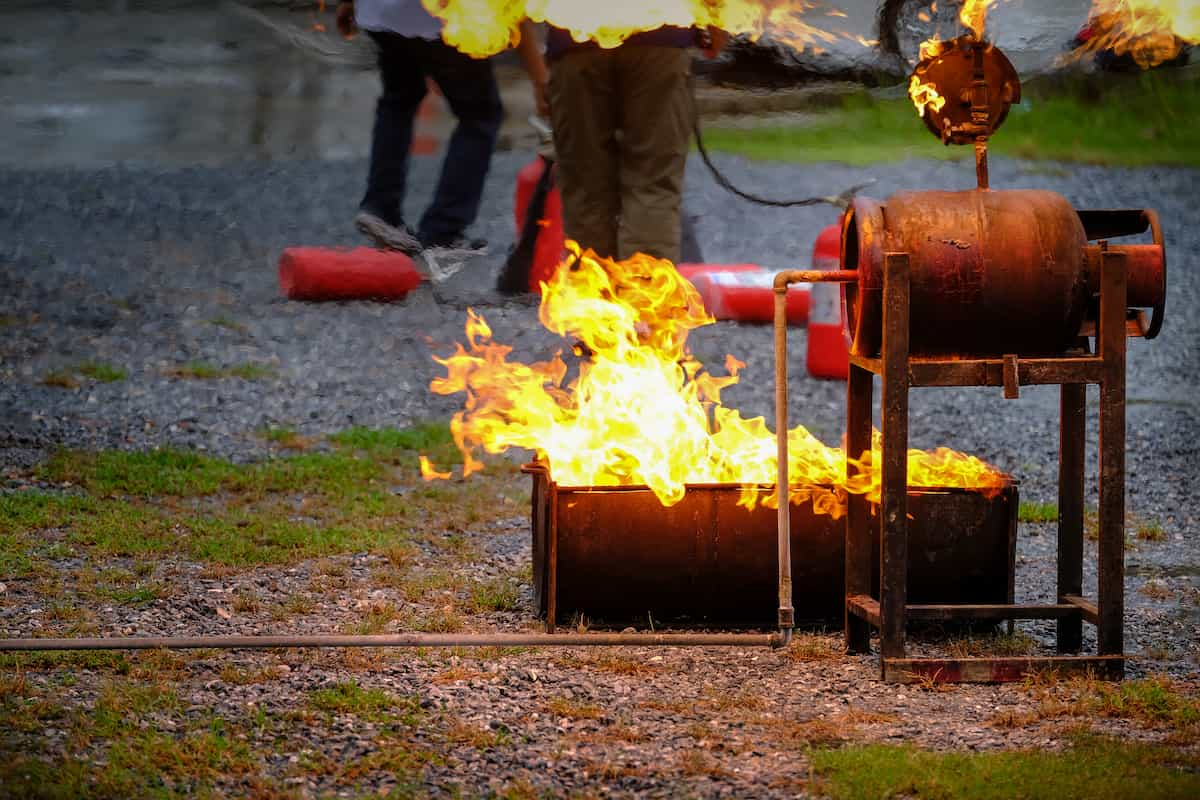
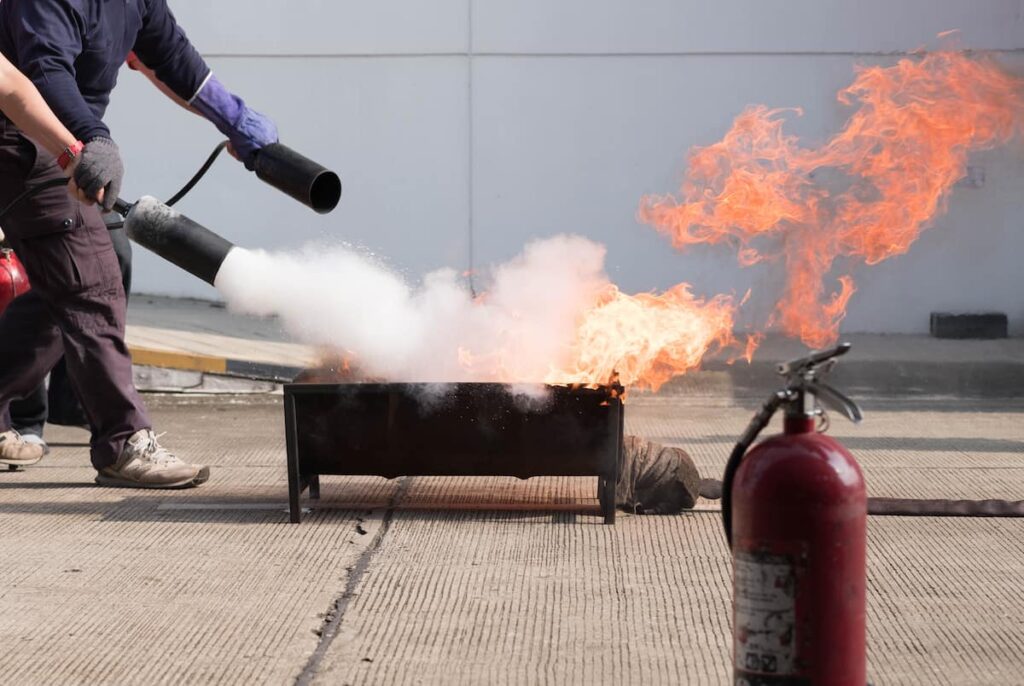
If your team may need to tackle small fires or handle equipment safely, an extinguisher training course is essential.
These practical sessions teach:
- Types of fire extinguishers and their correct use
- Common mistakes to avoid
- Hands-on practice in a safe, controlled environment
- When not to fight a fire and evacuate instead
Even if staff are not designated fire marshals, extinguisher knowledge adds a valuable layer of safety, especially for lone or out-of-hours workers.
If your workplace has fire risk assessments indicating any hands-on responsibility, this type of training should be included.
Choosing the right fire safety course for night staff
Look for flexible fire safety courses that work around shift patterns and include role-specific content. This could involve:
- Online modules followed by practical drills
- Tailored delivery during quiet night hours
- Small group sessions to improve confidence
The team at fire safety courses offers options suitable for night staff, fire marshals, and teams in high-risk environments.
Key fire safety responsibilities for employers
As an employer, you’re responsible for ensuring all staff, including night workers are fire trained and understand your building’s procedures.
Don’t forget to:
- Update your fire risk assessment regularly
- Include night-specific risks such as locked exits or reduced lighting
- Schedule training that’s accessible for all shifts
- Keep accurate records of training dates and attendees
Final thoughts
Night shift fire training isn’t optional. It’s a crucial part of a safe and compliant workplace. Make sure your night team is not only trained but confident in their role during an emergency.
For tailored support and flexible training solutions, explore trusted fire safety courses today.
Book night shift fire safety training now
Protect your team and meet your compliance obligations.
Explore flexible fire training for night staff and extinguisher training at Complete Safety Training.